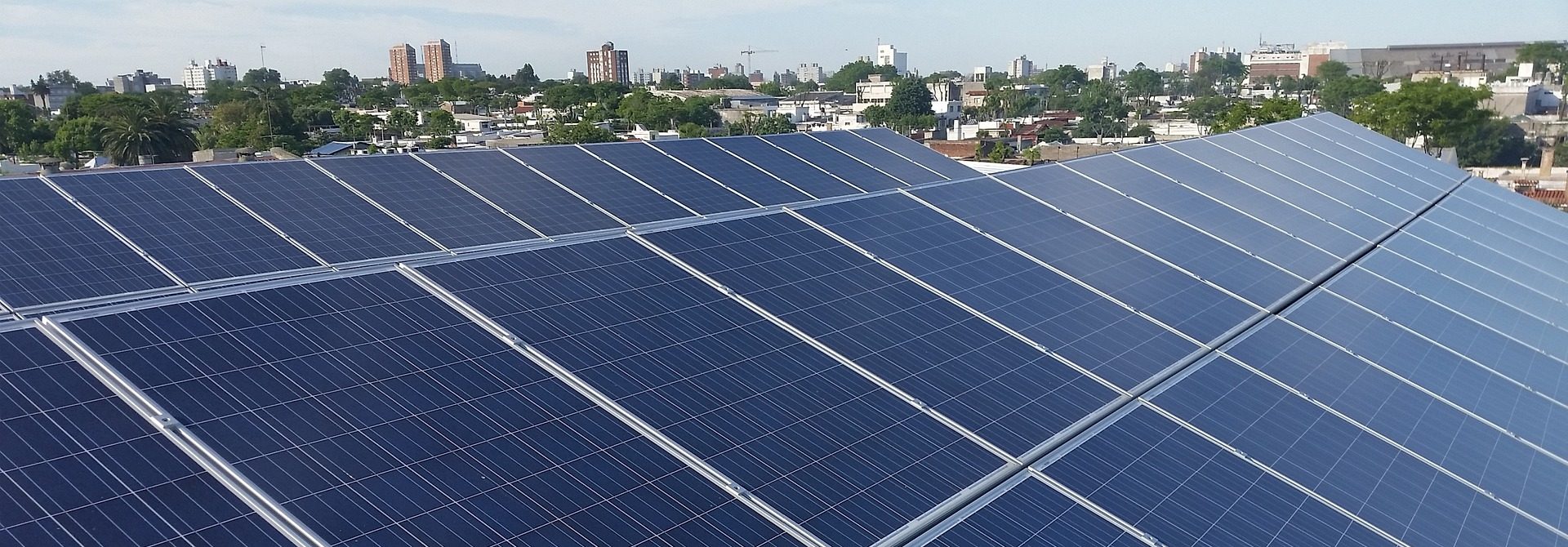
Net metering is a billing mechanism that allows homeowners and businesses with renewable energy systems to earn credits from their energy utility. This system is beneficial for those who generate their own electricity, as the credits can be used to offset their energy costs. With an increasing number of Canadians looking for ways to reduce their energy consumption and reduce their carbon footprint, net metering has become an attractive option.
Net metering works by allowing the customer to sell any excess electricity they generate back to their energy utility. The utility then credits the customer’s bill for the electricity they provided. Depending on the province, the utility will either pay the customer for the excess energy or credit the customer’s account for the amount of energy they provided. This means that customers can reduce their energy costs by generating their own electricity and selling it back to their utility.
In Canada, net metering is regulated on a provincial basis. Each province has their own guidelines and regulations regarding net metering, so it’s important to understand the rules in your area before investing in a renewable energy system. Generally speaking, customers are limited to the amount of energy they can generate and sell back to their utility.
For example, in Ontario, customers are limited to a maximum of 500 kilowatts. This means that if a customer generates more than 500 kilowatts of electricity, they will not be able to sell it back to their utility and will have to find another way to use it. Additionally, customers may be limited to the type of renewable energy system they can install. In some provinces, only certain renewable energy systems are eligible for net metering.
Net metering can be an excellent way for customers to reduce their energy costs and reduce their environmental impact. In order to take advantage of it, however, customers must be aware of the regulations in their province and ensure that the systems they install are eligible for net metering.